
Speed up your post-marathon recovery: Osteopathy and TECAR therapy
A marathon places extreme demands on a runner’s body. Over the course of 42.195 km, the body endures thousands of repeated impacts, with each stride exerting a force equivalent to three times the runner’s body weight. This intense strain causes micro-tears in the muscles, widespread inflammation, a buildup of metabolic waste, impaired posture, and profound neuromuscular fatigue. Without structured recovery, marathon runners risk chronic injuries, decreased performance, and delays in resuming training.
The combination of osteopathy and TECAR therapy is emerging as a cutting-edge strategy in sports medicine. Osteopathy addresses overall structure and mobility restrictions, while TECAR therapy targets deep biophysical processes involved in tissue repair. Together, they accelerate the resolution of edema, reduce pain, restore biomechanics, and optimize venous and lymphatic return. This integrated approach not only enables faster recovery but also prevents long-term complications—a critical factor for marathon runners who frequently compete in back-to-back half-marathons and races.
The physiological effects of a marathon on a runner's body
A marathon triggers a cascade of inflammatory and metabolic reactions. The muscles—particularly the quadriceps, hamstrings, calves, and pelvic stabilizers—undergo significant eccentric stress, especially on downhill sections or toward the end of the race. This causes muscle soreness that peaks between 24 and 72 hours after the race, accompanied by joint stiffness in the knees, ankles, and hips.
The cardiovascular and lymphatic systems are also put under significant strain: temporary reduction in blood flow to the digestive tract in favor of the muscles, accumulation of lactic acid and pro-inflammatory cytokines, and peripheral edema. Posture often changes, with pelvic anteversion, lumbar hyperlordosis, or diaphragmatic restrictions, impairing breathing and overall recovery.
Without intervention, these imbalances can persist for several weeks, increasing the risk of plantar fasciitis, Achilles tendinopathy, tibial stress syndrome, and other conditions. Studies show that runners who do not receive guidance during recovery experience a 20–30% delay in their return to full training. This is where expert intervention becomes crucial.
Osteopathy in Marathon Runner Recovery
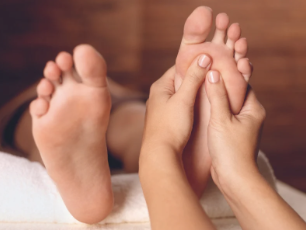
Osteopathy, a holistic manual therapy, aims to restore joint, visceral, and fascial mobility. For marathon runners, it targets restrictions caused by repetitive impact on the posterior muscle chains, the pelvis, and the spine. The practitioner uses gentle mobilization techniques to correct somatic dysfunctions, improve circulation, and promote lymphatic drainage.
After a marathon, osteopathy significantly reduces muscle soreness by releasing muscle tissue—including the diaphragm, which is often tightened due to hyperventilation during exercise. It restores proper posture, improves blood flow to the digestive system, and accelerates the elimination of toxins. A holistic approach also helps treat digestive issues or cranial tension caused by dehydration and fatigue.
The benefits are well-documented: improved mobility, reduced residual pain, and injury prevention when resuming physical activity. Marathon runners often report feeling lighter and more focused after a session, thanks to the regulation of the autonomic nervous system.
TECAR Therapy: Mechanism of Action and Benefits for Endurance Athletes
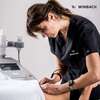
- Capacitive mode (CET) targets water-rich tissues (muscles, subcutaneous tissues) to promote rapid vasodilation, increased microcirculation, and accelerated elimination of metabolic waste.
- Resistive mode (RET) penetrates deeper into dense tissues (tendons, ligaments, bones) to stimulate collagen synthesis, reduce inflammation, and promote tissue regeneration.
TECAR therapy (Capacitive and Resistive Energy Transfer) uses high-frequency currents (300 kHz to 1.2 MHz) to generate controlled endogenous heat therapy. Two distinct modes are used:
These biophysical effects increase oxygenation, modulate inflammatory cytokines, and stimulate cellular metabolism without causing pain or microtrauma. In runners, TECAR accelerates neuromuscular recovery following eccentric exercise. A randomized controlled trial (Duñabeitia et al., 2018) involving recreational runners demonstrated a significant improvement in running economy, stride length, and stride angle after a 50-minute session, without altering physiological parameters.
Another study (Oleksy et al., 2025) comparing TECAR and vibration therapy following eccentric exercise showed that TECAR more rapidly normalizes muscle recruitment (EMG) and mechanical properties (tensiomyography), with a modest but consistent benefit for rapid recovery. Treated athletes regain their strength and flexibility within 24 hours, compared to 96 hours in the control group. TECAR also reduces pain (VAS) and edema, while improving joint mobility, as observed in tendinopathies and sprains.
For marathon runners, these effects result in reduced muscle soreness, faster resolution of inflammation, and an earlier return to light running.
The synergy between osteopathy and TECAR therapy

The combination of these two approaches creates a powerful synergy. Osteopathy first corrects the structural and fascial restrictions that limit circulation, preparing the tissues for optimal penetration of TECAR energy. In turn, TECAR amplifies the effects of manual therapy by inducing deep hyperemia and cellular regeneration that cannot be achieved by manual techniques alone.
In clinical practice, the protocol often begins with a comprehensive osteopathic assessment, followed by a TECAR session targeting the most stressed areas (quadriceps, calves, plantar fascia). The results are synergistic: a 30% reduction in recovery time compared to traditional methods, according to observations in sports physical therapy. This combination prevents fibrosis, improves proprioception, and optimizes stride biomechanics for upcoming competitions.
Studies on the integration of TECAR therapy with manual therapies confirm a more significant reduction in muscle spasms and an improvement in joint range of motion. For marathon runners, this integrated approach not only speeds up recovery but also strengthens tissue resilience, thereby reducing the risk of chronic overuse.
The best time to consult
Timing is crucial for maximizing benefits. The first combined osteopathy-TECAR session is recommended between 48 and 72 hours after crossing the finish line. This timeframe allows the acute inflammatory phase to subside while intervening before restrictions become permanent. An early session accelerates the resolution of swelling and prevents postural compensations.
Follow-up sessions are then scheduled over a period of 7 to 14 days: two to three sessions spaced 48 hours apart to allow for full recovery. If pain persists beyond 72 hours or if there is unusual swelling, immediate consultation is necessary. Ideally, marathon runners prepare their bodies in advance with a pre-race session to optimize mobility, but the post-exercise phase remains the most strategic time for targeted intervention.
Tips for immediate recovery after a marathon
Recovery begins as soon as the race ends. Immediately after crossing the finish line, focus on rehydrating with mineral-rich water (at least 1 liter within the next two hours) and eating a snack high in carbohydrates and protein to replenish your energy stores. Avoid alcohol and heavy meals, which slow down digestion.
Put on recovery compression socks as soon as you finish showering, and wear them for at least 12 hours a day for the first two days. They promote venous return, reduce swelling, and speed up the elimination of toxins. Supplement this with light walks of 10–15 minutes several times a day to activate the muscle pump without straining your joints.
Alternate between hot and cold showers (local cryotherapy if possible) to stimulate circulation. Get at least 8–9 hours of sleep per night: deep sleep is the body’s primary source of hormonal regeneration. Follow an anti-inflammatory diet (omega-3, antioxidants, turmeric) and avoid running for at least 24–48 hours, or even a full week for amateur runners.
Watch for warning signs (sharp pain, uneven swelling) and don’t hesitate to consult a professional. These simple steps, combined with osteopathy and TECAR therapy, significantly enhance the effectiveness of your recovery.
Conclusion on post-marathon recovery
Combining osteopathy and TECAR therapy is now the gold standard for marathon runners’ recovery. This targeted, scientifically backed, and personalized approach transforms the post-race phase into a true springboard for new achievements. Savvy marathon runners incorporate these tools into their overall plan to maintain their health and extend their athletic careers.
If you have any questions, please contact us!
Marie Messager
Osteopath D.O
2 rue Alexis de Tocqueville
78000 Versailles