
Osteopath for Athletes in Versailles: Preventing and Treating Common Injuries
Whether you’re a long-distance runner, a recreational soccer player, a Hyrox enthusiast, a climber, a tennis player, a cyclist, a triathlete, or simply a regular amateur athlete, injuries are a part of everyday life. In Versailles, the team of osteopaths at OSTEO VERSAILLES supports athletes of all levels to prevent injuries, treat pain, and optimize recovery and performance.
This detailed guide explains how a sports osteopath in Versailles can help you in practical terms, what the most common injuries are by sport, how to prevent recurring injuries, and when to seek treatment. You’ll also find numerous links to our specialized articles and our page dedicated to sports osteopathy.
Why see a sports osteopath in Versailles?
Sports osteopathy isn't limited to professional athletes. It's particularly beneficial for anyone who exercises regularly, regardless of their skill level. It serves many purposes:
- Prevent injuries by identifying imbalances before they become painful
- Treating acute pain (sprains, muscle spasms, tendinopathy, periostitis, etc.)
- Speed up recovery after intense exercise (marathon, trail run, competition, Hyrox, etc.)
- Improve joint mobility, posture, and performance
- Preparing for a Major Athletic Goal and Reducing the Risk of Injury
- Supporting a return to sports after an injury or surgery
Check out our page dedicated to sports osteopathy: Osteopath for Athletes in Versailles. There you’ll find information about our team’s training, reasons to schedule a consultation, and downloadable brochures.
The Most Common Injuries Treated with Sports Osteopathy
Here are the conditions we most commonly treat at the OSTEO VERSAILLES practice. For each one, the osteopathic approach involves identifying the underlying causes (imbalances, restricted mobility, fascial tension, compensatory mechanisms) rather than focusing solely on the symptom.
1. Tendinopathies and tendinitis
Tendinopathies (tennis elbow/epicondylitis, Achilles tendinopathy, patellar syndrome, windscreen wiper syndrome, rotator cuff tendinopathy, etc.) are among the most common reasons for seeking treatment. They often result from overuse, insufficient recovery, or muscular imbalance. Osteopathy addresses muscle tension, joint restrictions, and postural factors that contribute to inflammation and pain.
Related articles:
2. Sprains and Ligament Injuries
Ankle sprains, Chopart sprains, knee sprains… Early treatment helps limit swelling, restore joint mobility, and prevent recurrence through proprioception exercises and the rebalancing of muscle chains. Kinesio taping and strapping are often used as complementary treatments.
Recommended reading:
3. Muscle Disorders
Muscle spasms, strains, tears, tennis leg (gastrocnemius tear)… The osteopath works on muscle chains, fascia, and the compensatory mechanisms that develop after an injury to speed up healing and minimize long-term effects.
Featured Article: Tennis Leg and Osteopathy
4. Foot, Heel, and Ankle Pain
Plantar fasciitis, plantar fat pad syndrome, heel spurs, tibial periostitis… These conditions are particularly common among runners and athletes who participate in high-impact sports. The osteopathic approach often involves treating the foot, ankle, knee, hip, and pelvis.
5. Sport-Specific Injuries
- Soccer: Soccer-Related Injuries and Osteopathy
- Bouldering: Bouldering and Osteopathy
- Hyrox: Hyrox—a brand-new sport deserves a good osteopath
- Triathlon and Running: Common Injuries Among Triathletes
- Winter Sports: Seeing an Osteopath During the Winter Sports Season
- Horseback riding, basketball, dance, slacklining… See the blog’s Sports category
- Growing Pains (Osgood-Schlatter, Sever, etc.): Osgood-Schlatter and Osteopathy
6. Growth Disorders and Sports in Children
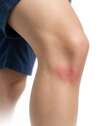
Growth pains are common among children and adolescents who participate intensively in sports (soccer, track and field, gymnastics, basketball, tennis, etc.). They are most often caused by growth-related osteochondrosis, which results from repeated pulling of tendons on bones that are still maturing.
The two best-known conditions areOsgood-Schlatter disease(pain at the anterior tibial tuberosity, below the knee) andSever’s disease(heel pain caused by traction on the Achilles tendon). These conditions are benign and resolve on their own once growth is complete, but they can be very bothersome and limit participation in sports. Osteopathy can help relieve muscle tension, improve mobility, and support the child during this period.
→ Learn more aboutOsgood-Schlatter disease and osteopathy
→ Learn more aboutSever's disease and osteopathy
Tecartherapy, kinesio taping, and lymphatic drainage: powerful allies
At the OSTEO VERSAILLES practice, osteopathy is often combined with complementary techniques to maximize results for athletes:
- Tecartherapy (radiofrequency): It speeds up recovery, reduces inflammation, and improves blood flow and tissue mobility. It is particularly effective after a marathon, or in cases of tendinopathy or muscle spasms.
- Kinesio taping and strapping: joint support and drainage without restricting movement. Ideal for recovery or competition.
- Lymphatic drainage: accelerates the elimination of metabolic waste and reduces swelling after intense exercise or injury.
Articles to read:
→ Learn more about Post-Marathon Recovery: Osteopathy and Tecar Therapy
→ Learn more about Lymphatic Drainage for Athletes
Prevention and Performance Optimization
A sports osteopath does more than just treat pain. They also work with you to prevent injuries and improve your performance:
- Global Mobility Assessment: Status and Evaluation of Imbalances
- Proprioception Exercises (especially after an ankle sprain)
- Tips on gear (running shoes, insoles, lacing, etc.)
- Optimizing Recovery (Nutrition, Sleep, Manual Techniques)
- Preparing for a Goal (marathon, competition, winter sports, etc.)
Useful resources:
→ Learn more about Creatine: Why Should You Really Take It?
→ Learn more about Nose strips: gimmick or secret weapon?
→ Learn more about How to tie your sport shoes?
→ Learn more about Russia's Warm-Up
When should you see a sports osteopath in Versailles?
Here are the key situations in which a consultation is particularly relevant:
- For prevention: 1 to 2 times a year, or before a major event (marathon, competition, sports season)
- As soon as pain sets in (even if it's mild)—don't wait for it to become chronic
- After a competition or intense physical activity (accelerated recovery)
- During the rehabilitation phase following an injury or surgery
- In cases of frequent recurrences (sprains, tendinopathies, etc.)
Why choose OSTEO VERSAILLES for your sports care?
- Osteopaths trained in sports osteopathy (University Diploma in Sports Osteopathy, FIFA soccer medicine training, expert kinesio taping, musculoskeletal ultrasound, etc.)
- Two offices in Versailles (Chantiers, near the train station, and Lumières), both easily accessible
- Additional techniques available: tecartherapy, lymphatic drainage, kinesio taping, and strapping
- Support for all participants: from recreational athletes to competitive athletes, including young athletes
- Field Experience: Support for Sporting Events and Clubs
Frequently Asked Questions
How often should athletes see an osteopath?
For preventive care, one or two visits per year are often sufficient. If you’re experiencing pain or have a sports-related goal, more frequent follow-ups may be helpful.
Is osteopathy compatible with high-level sports?
Yes. Many elite athletes incorporate osteopathy into their training regimens. It is noninvasive and complements physical training and physical therapy.
Can I come right after a competition?
Yes, it's actually often recommended to speed up recovery. Tecartherapy and lymphatic drainage are particularly beneficial in this context.
Make an appointment with a sports osteopath in Versailles
Whether you're looking to prevent an injury, recover more quickly after exercise, or improve your performance, the team at OSTEO VERSAILLES is here to help.
Schedule an appointment online or call 01 84 73 29 34.
Check out all our articles on sports: Blog – Sports Category and our dedicated page: Osteopath for Athletes in Versailles